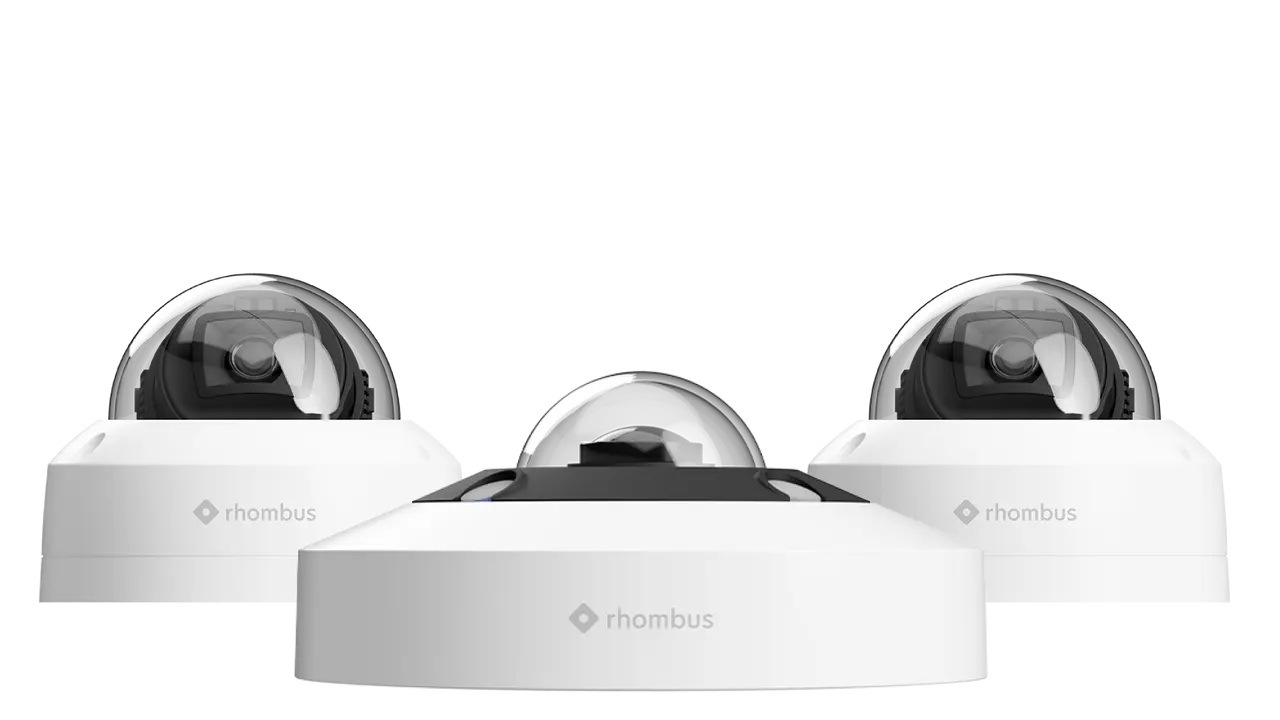
In today’s fast-paced business world, security is more important than ever. AI cameras are not just a futuristic fantasy; they’re practical tools that are reshaping how businesses monitor and protect their premises. Let’s dive into the innovative ways AI cameras are transforming business surveillance.
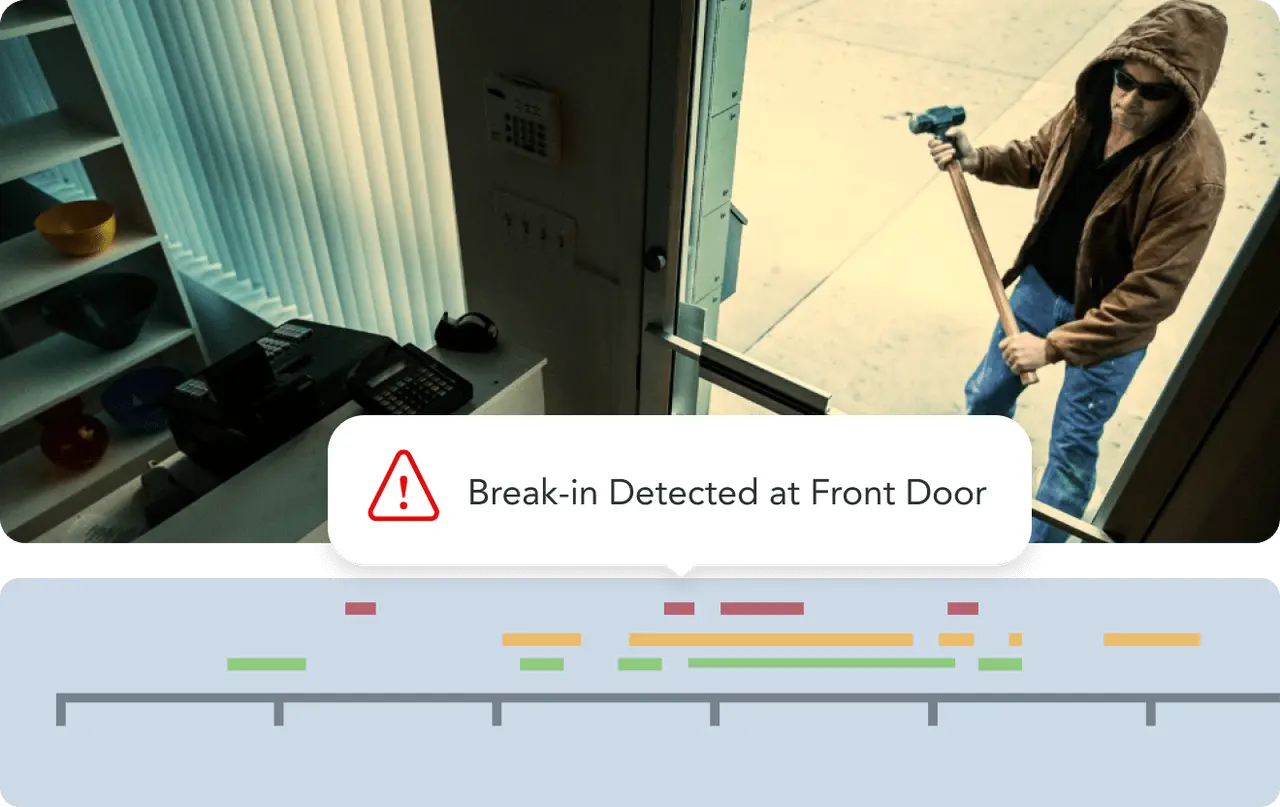
1. Enhanced Motion Detection with AI
Traditional cameras can only do so much when it comes to detecting movement. AI-enabled cameras, however, can differentiate between a harmless shadow and actual suspicious activity, reducing false alarms significantly. This becomes especially crucial in high-traffic areas where potential threats could be mistaken for mundane daily occurrences. Enhanced motion detection not only makes security systems more precise but also minimizes the unnecessary deployment of security personnel.
By leveraging machine learning algorithms, AI cameras evolve over time, learning from each false alarm to improve their accuracy. This capability means that over time, these cameras become more reliable, offering businesses progressively greater value. The adaptability of AI in learning environmental cues makes it a continually improving asset in any business’s security arsenal.
2. Real-Time Monitoring and Alerts
AI cameras offer real-time monitoring capabilities that can immediately alert you to unusual activities. This allows businesses to respond promptly, potentially preventing incidents before they escalate. Having a system that provides real-time alerts and monitoring is invaluable, as it ensures that security breaches can be addressed as they occur, rather than after the fact.
Furthermore, these systems can filter alerts based on severity, ensuring that human operators are only disturbed for significant threats. These tailored notifications improve efficiency, allowing security teams to focus their efforts where they are most needed. They also help in prioritizing response strategies, making it easier for security managers to deploy resources effectively.
3. Facial Recognition for Enhanced Security
AI cameras equipped with facial recognition can identify authorized personnel and flag unknown individuals, adding an extra layer of security and ensuring that access is granted only to those who are permitted. This not only enhances security but also streamlines access control, making it easier and faster to manage entry and exit in secure areas.
Beyond merely identifying individuals, facial recognition can be used to track patterns of behavior over time. Such insights can help in identifying regular patterns and anomalies, assisting businesses in detecting and addressing potential security threats proactively. It’s an excellent tool for tailoring security protocols to the specific needs and patterns of individual businesses.
4. Automated Data Analysis and Reporting
These smart cameras don’t just capture footage; they analyze it, offering insights and generating reports that help businesses make informed decisions about their security strategies. The automation of data collection and analysis means that businesses can receive timely updates without manual intervention, saving time and manpower.
With AI, data is processed much more rapidly than humans could manage, providing real-time feedback and analytics. This continuous improvement loop highlights trends and areas for enhancement within security frameworks. Additionally, businesses can work with analytics platforms to receive comprehensive reports, transforming footage into actionable intelligence that can help safeguard assets more effectively.
5. Integration with Security Systems
AI cameras can seamlessly integrate with existing security systems, enhancing their capabilities and ensuring a comprehensive approach to business surveillance. By creating a cohesive network, businesses can ensure that their security apparatus works in harmony, reducing the possibility of security lapses and improving overall visibility.
This integration not only offers improved functionality but also enhances the overall usability of the systems, making them easier to manage and operate. Businesses can benefit from increased control over their environments, achieving a higher level of security synergy. The compatibility between new AI systems and traditional security measures is pivotal in adapting to evolving threats.
6. Cost-Effective Security Solution
Investing in AI cameras may seem pricey up-front, but their ability to reduce the need for full-time security personnel and decrease losses from security breaches make them a cost-effective solution in the long run. They provide a way to maximize security investments by minimizing potential costly incidents.
Beyond the initial investment, businesses often find that AI cameras significantly enhance operational efficiency. As AI technology evolves, so do their benefits, providing long-term savings in security budgets through reduced overhead and more targeted security measures. Rather than constantly expanding personnel numbers, businesses can rely on AI for a more streamlined approach to security.
7. Privacy and Compliance Considerations
While implementing AI cameras, it’s crucial to consider privacy laws and ensure compliance. These systems can be tailored to respect privacy while still delivering top-notch security. Navigating the complexities of privacy regulations requires a thorough understanding of both national and international laws.
Businesses must implement clear policies regarding data collection and usage, ensuring transparency with their stakeholders. Achieving a balance between security and privacy is key, as businesses must protect their assets while respecting individual rights. With careful implementation, AI cameras can meet both security needs and compliance requirements effectively.