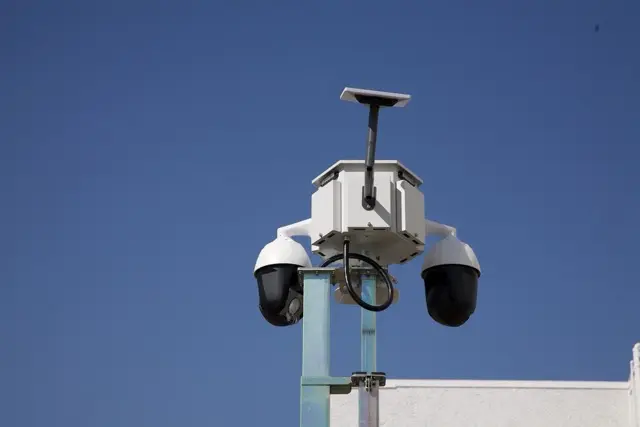
With the ever-evolving landscape of technology, integrating surveillance trailers with VoIP (Voice over Internet Protocol) systems is becoming increasingly beneficial for organizations. Not only does this integration enhance security measures, but it also offers a myriad of other advantages. In this blog, we will explore how this innovative combination can be a game-changer for your business.
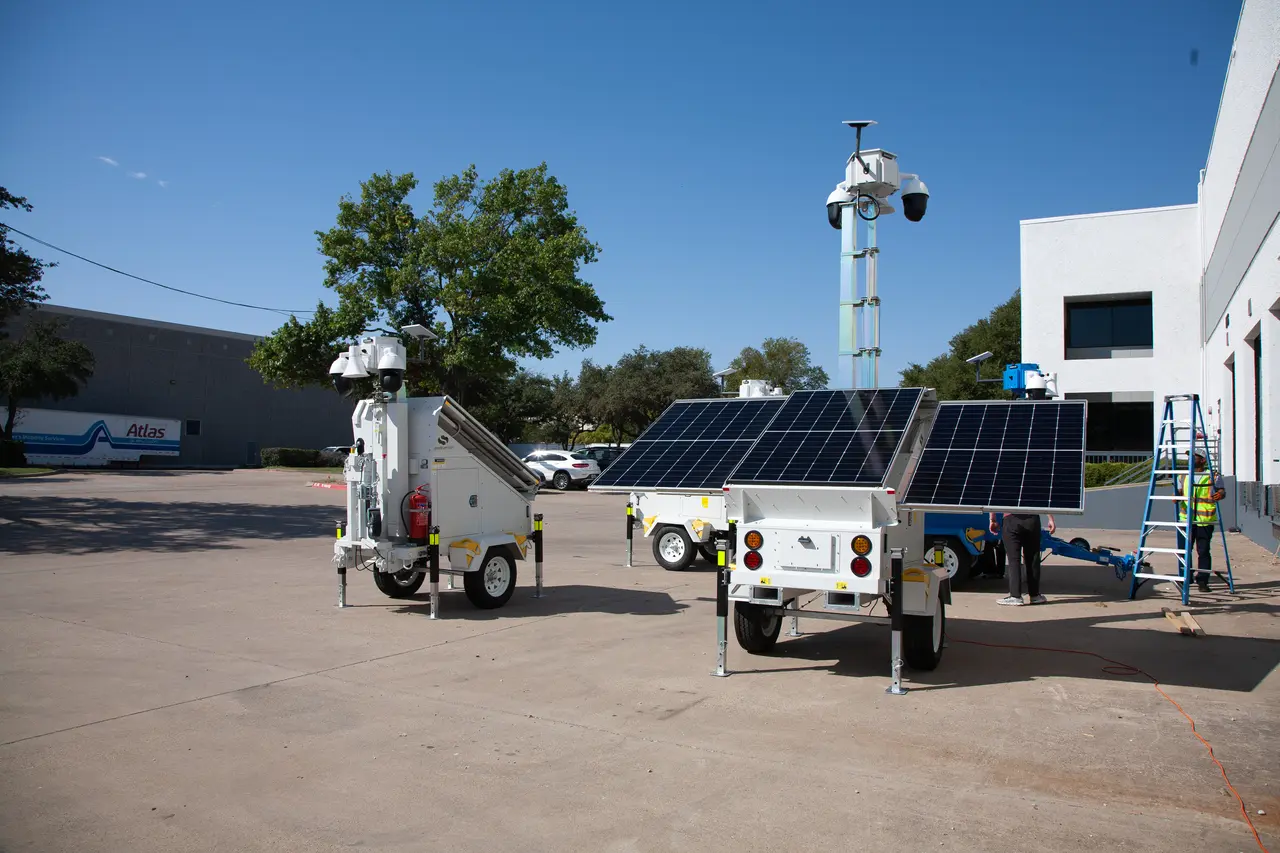
1. Enhancing Security Measures
Integration of VoIP systems with surveillance trailers ensures a robust security setup. This combination allows for real-time monitoring, which can significantly deter potential threats and swiftly address any security breaches. The ability to monitor incidents as they occur leads to faster and more informed responses. Imagine a situation where security personnel can communicate instantly via VoIP, coordinating efforts to assess and handle situations rapidly. This real-time exchange of information is pivotal in minimizing potential damage and losses.
Moreover, combining surveillance trailers with VoIP systems allows for centralized data collection and analysis. Having instant access to video feeds alongside communication logs can provide a comprehensive overview of events as they unfold. Such detailed insight can be used not only to handle immediate threats but also to devise better future strategies by learning from past incidents. This proactive approach ensures a fortified security stance, providing peace of mind for organizations aiming to protect their assets and personnel.
2. Seamless Communication
VoIP systems facilitate seamless, instant communication between surveillance trailers and the security team, ensuring that alerts and updates are conveyed without delay. This enhances response times and helps in quicker decision-making. For example, in a high-stakes situation where every second counts, being able to connect instantly with the team on the ground can make a significant difference in outcome.
Think of how this instant communication aids collaboration; team members can relay crucial information or adjust their strategies in real-time. Beyond emergencies, the clarity and immediacy of VoIP communications help streamline daily operations, reduce miscommunication, and ensure everyone is on the same page. An integrated system like this can improve overall operational efficiency and effectiveness, which is particularly important for businesses with expansive surveillance needs.
3. Cost-Effective Solution
The cost savings associated with integrating VoIP systems are significant. By utilizing internet-based communication, organizations can reduce expenditures related to traditional communication methods and maintenance. Without the need for extensive cabling or high maintenance costs associated with legacy communication systems, businesses can allocate financial resources more efficiently.
Apart from reducing costs, using VoIP systems means that businesses can adapt a more scalable approach as their communication needs evolve. This adaptation can help avoid the hefty investments usually required when expanding traditional systems. VoIP’s internet-based nature not only minimizes cost but also facilitates flexibility in expanding or downsizing systems quickly, aligning with current financial goals and market dynamics.
4. Improved Flexibility
VoIP systems offer the flexibility of connecting surveillance trailers across various locations, making it easier to expand security networks without geographic limitations. This is especially useful for businesses with operations spread across multiple regions. They can efficiently manage a network of surveillance units with standardized communication protocols, vital for maintaining seamless operations.
This flexibility extends to remote workforce management as well. Whether staff are on-site or working remotely, VoIP allows for unhindered collaboration and coordination. Organizations can maintain a continuous flow of communication and can deploy surveillance resources quickly and efficiently across the areas where they are needed most. This geographic freedom ensures that security measures are not restricted by physical constraints, ultimately contributing to a more agile and responsive security framework.
5. Remote Access and Control
The integration provides the benefit of remote access, allowing users to monitor and control surveillance trailers from nearly any location, which is especially beneficial for large-scale operations. Imagine being able to watch live camera feeds or communicate with on-site personnel from the comfort of your office or even while traveling. This level of access ensures that management remains engaged and informed at all times, regardless of their physical location.
Beyond real-time monitoring, remote access also empowers personnel to quickly alter security parameters, make on-the-spot decisions, and fine-tune surveillance efforts to meet changing circumstances. Such capabilities can help create a more tailored security approach that aligns closely with organizational needs. Within large organizations especially, this ease of access simplifies logistics and optimizes personnel management, reducing the need for numerous on-site staff and thereby cutting costs.
6. Scalability for Future Needs
Organizations can effortlessly scale their security system up or down by integrating VoIP with surveillance trailers, aligning with changing business needs without significant additional investments. This scalability ensures the system’s longevity, allowing businesses to adapt quickly to organizational growth or changes in security threats.
As businesses evolve and expand, their security needs also change. The shift may include heightened security at additional locations or enhanced protocols due to new regulations or threats. An integrated VoIP and surveillance system simplifies these transitions, providing the infrastructure to make necessary adjustments easily. This adaptability not only saves time and resources but also provides businesses the confidence to expand operations or upgrade their security posture without hesitation.